
Finding a reliable tenant is one of the most critical decisions a property manager or independent landlord will make. A high-quality tenant pays rent on time, treats the property with respect, and contributes to a peaceful community. Conversely, a poor vetting process can lead to costly evictions, property damage, and lost rental income.
To mitigate these risks, implementing the best tenant screening services is an essential standard practice for modern real estate management.
Why a Comprehensive Vetting Process Matters
Placing an applicant without verifying their background is a gamble no property owner should take. While a polished application and a friendly conversation are positive indicators, objective verification ensures that an applicant’s financial and legal history aligns with your lease requirements.
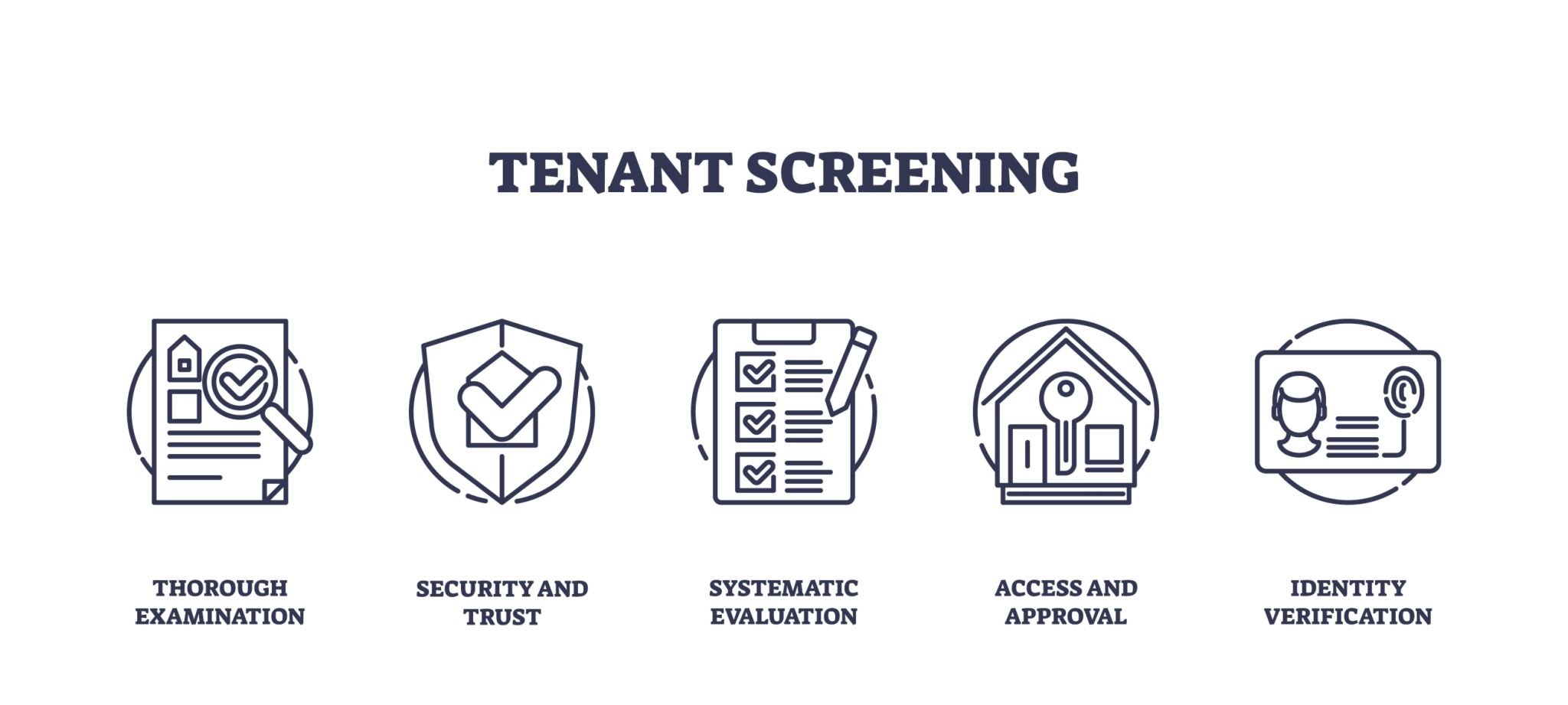
Using the best tenant background check workflow allows you to quickly verify:
- Credit History & Score: Evaluates debt history, payment reliability, and financial responsibility.
- Criminal Background Records: Uncovers relevant local, state, and federal criminal history.
- Eviction History: Identifies previous landlord disputes or court-ordered removals.
- Employment & Income Verification: Ensures the tenant earns sufficient income (typically 3x monthly rent) to sustain lease payments.
3 Essential Features to Look For in a Screening Service
Not all screening platforms provide equal depth or accuracy. When evaluating platforms, ensure your chosen vendor offers the following features:
1. FCRA Compliance and Legal Safeguards
Screening must strictly adhere to the Fair Credit Reporting Act (FCRA) and local Fair Chance Housing laws. Utilizing trusted tenant screening services for landlords ensures your reports are legally compliant, protecting you from potential regulatory fines or disputes.
2. Comprehensive Multi-Jurisdictional Reporting
State and county records are non-uniform across the country. A standard national check can miss critical local court filings if county-level searches are skipped. A complete background check for rental application reviews state, county, and federal databases to prevent oversights.
3. Direct Applicant Contact & Digital Consent
Modern platforms streamline screening by allowing applicants to enter their details directly online. This speeds up turn-around times and reduces data-entry errors while securely gathering applicant consent.
What to Check During the Evaluation Process
Screening Step What It Uncovers Why It Matters
| Screening Step | What It Uncovers | Why It Matters |
|---|---|---|
| Credit Report | Late payments, collections, bankruptcies | Predicts monthly rent payment reliability |
| Criminal Search | Misdemeanor and felony convictions | Helps maintain safe residential environments |
| Eviction History | Prior court filings or judgments | Prevents recurring tenant default issues |
| Income Verification | W-2s, pay stubs, bank statements | Confirms debt-to-income ratio sufficiency |
By choosing a dedicated background check site for landlords, you can automate these checks and receive actionable reports in hours rather than days.
Frequently Asked Questions About Tenant Screening & Background Checks
Below are answers to the most common questions property owners, real estate investors, and property managers ask when evaluating screening solutions.
General Screening Questions
Q1: How much does tenant screening cost for landlords?
A: When using a modern applicant-pay model, tenant screening costs $0 for the landlord. Specialized platforms allow property owners to invite prospective renters via a secure link. The applicant covers the standard application fee (typically $40) directly during submission. This saves landlords from out-of-pocket administrative expenses while filtering for serious applicants who are willing to back their rental history financially.
Q2: What is included in a complete tenant background check?
A: A comprehensive background report should cover four major pillars:
- Full Credit Check: Evaluates credit scores, total debt, payment history, bankruptcies, and late payment trends.
- Nationwide Criminal Background Search: Scans county, state, and federal criminal databases, along with national sex offender registries.
- Eviction Records History: Checks court records across jurisdictions for past eviction filings, judgments, or landlord disputes.
- Income & Employment Verification: Confirms current employment, salary, door-dash/gig income, or government benefits using verified pay stubs, bank statements, or W-2s.
Q3: How long does it take to get background check results back?
A: Automated digital checks are often delivered within hours. However, reports requiring manual verification (such as calling prior employers or county courts with non-digitized records) typically take 1 to 2 business days. Using a platform that conducts thorough in-house verification ensures speed without sacrificing data accuracy.
Legal Compliance & Data Accuracy
Q4: What is FCRA compliance, and why is it crucial for landlords?
A: The Fair Credit Reporting Act (FCRA) is a federal law regulating how consumer credit and background information is gathered and used. If you reject an applicant based on a credit or background report, FCRA guidelines require you to issue an Adverse Action Notice. Utilizing FCRA-compliant tenant screening services for landlords ensures that data is collected legally and protects property managers from regulatory penalties or discrimination lawsuits.
Q5: Are automated online background checks accurate?
A: Instant, automated background check sites often rely solely on web scraping algorithms, which can generate “false positives” (matching your applicant to someone with a similar name) or “false negatives” (missing records due to recent county updates). The most accurate reports come from services that combine automated database checks with human, in-house review teams based in the U.S. to manually verify flagged data prior to report delivery.
Q6: Can a landlord require a background check for every applicant?
A: Yes, provided you apply the requirement consistently across all applicants. Under Fair Housing regulations, you cannot selectively require background checks for certain individuals based on race, religion, gender, family status, or nationality. Establishing a standardized screening criterion for every candidate over 18 years of age keeps your leasing process fair and legally defensible.
Managing Application Red Flags
Q7: What credit score threshold should I set for rental applicants?
A: While 620 to 650 is a common benchmark for residential leases, the credit score alone doesn’t tell the full story. Landlords should look closely at why a score is low. For instance, medical debt or student loans may impact a score but rarely predict rental default. Conversely, active collections from previous landlords, utility companies, or recent bankruptcies are significant red flags that warrant closer review or a qualified co-signer.
Q8: What should I do if an applicant has a criminal record?
A: Federal Fair Housing guidance recommends evaluating criminal records on a case-by-case basis rather than enforcing blanket bans. Consider:
- The nature and severity of the offense (misdemeanor vs. felony).
- How much time has passed since the offense or completion of the sentence.
- Whether the offense directly relates to safety or property maintenance.
Using an objective background check site for landlords provides clear details so you can make informed decisions while remaining compliant with Fair Chance housing regulations.
Q9: How do I verify income for self-employed or gig-economy applicants?
A: For freelancers, independent contractors, or gig-economy workers (e.g., Uber, DoorDash, Etsy), traditional pay stubs may not exist. In these cases, request the last two years of tax returns (Form 1040), official 1099 forms, or 3 to 6 months of consecutive bank statements showing regular deposits.
Streamlining the Workflow
Q10: Do I need to manually collect sensitive documents like Social Security numbers?
A: No, and doing so creates unnecessary liability for data security. Modern screening solutions allow landlords to send an electronic referral link to the applicant. The applicant securely logs in, enters their sensitive personal details (SSN, DOB, payment info), and gives explicit legal consent. The landlord receives the final report without ever needing to store paper files with confidential information.
Q11: How do co-signers or guarantors fit into the screening process?
A: If an applicant meets your income ratio but lacks established credit history (such as college students or young professionals), a co-signer can guarantee the lease. Co-signers must complete a thorough background check for rental application process identical to the primary applicant to ensure they possess the financial stability required to back the lease terms.
Q12: What happens if an applicant disputes information on their background check?
A: Under FCRA guidelines, applicants have the right to dispute inaccurate information. When utilizing professional tenant screening services for landlords, the screening agency handles the dispute process directly with the applicant and credit bureaus, saving property owners from navigating complex dispute resolutions independently.
Key Takeaways for Property Owners
- Eliminate Cost: Transitioning to an applicant-paid model keeps your screening budget at $0.
- Prioritize Accuracy: Rely on U.S.-based in-house teams over automated scrapers to avoid false reports.
- Maintain Compliance: Ensure all screenings adhere to Fair Housing and FCRA regulations to protect your property and reputation.
Ready to elevate your tenant vetting process? Explore how Landlord Tenant Services provides fast, reliable, and FCRA-compliant background reports at zero cost to landlords.
Final Thoughts: Protecting Your Rental Assets
Investing in a thorough, compliant tenant evaluation process saves time, reduces vacancy stress, and protects your bottom line. Taking an extra day to evaluate an applicant with professional screening tools is always preferable to spending months resolving a lease default or eviction.
At Landlord Tenant Services, we make it simple to start screening commercial tenants with confidence. Our secure platform allows you to submit applicant details online, and we’ll handle the rest — delivering clear, actionable reports directly to you. Ready to protect your property with professional screening? Create your free account here.